
The industrial automation landscape is undergoing a monumental paradigm shift. For decades, control rooms relied on static displays, rigid proprietary hardware, and siloed communication networks. Today, modern industrial facilities demand a seamless blend of local responsiveness, global visibility, artificial intelligence, and uncompromised cybersecurity.
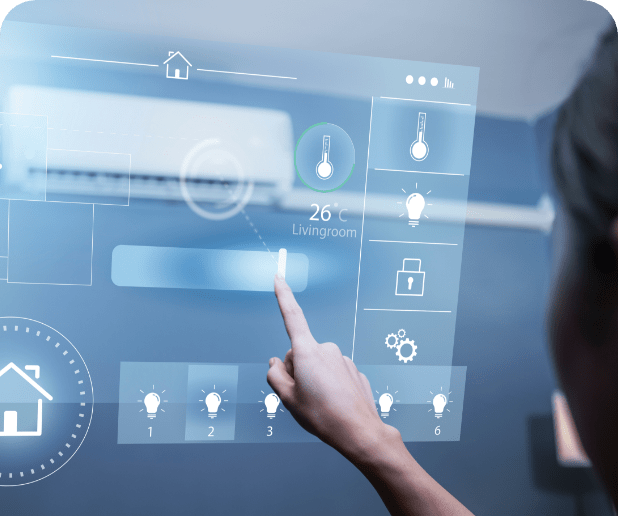
Navigating this digital transformation requires deep technical expertise. Leading the charge in modernizing industrial control ecosystems is Cadillac Automation and Controls, a premier industrial automation company delivering cutting-edge engineering solutions. Through specialized HMI Development Services, Cadillac Automation and Controls empowers plants to bridge the gap between legacy machinery and future-ready smart architectures.
This comprehensive guide explores how next-generation Human-Machine Interfaces (HMIs), robust PLCs, and supervisory software are reshaping the factory floor across seven core sub-topics.
1. System Architecture & Data Flow
1.1 The Trinity of Industrial Control: Optimizing Data Flow
At the heart of any automated process lies the vital data handshake between the Programmable Logic Controller (PLC), the Supervisory Control and Data Acquisition (SCADA) system, and the local HMI. Inefficient tag mapping or poor database structuring can lead to frustrating latency issues. Modern HMI development focuses heavily on optimizing tag databases, utilizing User-Defined Types (UDTs) in PLCs, and leveraging high-speed open protocols like OPC UA and MQTT to ensure data moves seamlessly from the floor controller to the glass screen without bottlenecks.
1.2 Software-Defined Automation: Decoupling HMI from Hardware
Traditionally, engineers were locked into specific vendor hardware to run their visualization screens. Today, the industry is shifting toward software-defined automation. By leveraging containerized runtime environments (such as Docker in OT setups) and platform-agnostic tools like Ignition or CODESYS, businesses can decouple HMI software from proprietary panels. This flexibility drastically cuts long-term hardware lifecycle costs and simplifies scaling across multi-vendor PLC lines.
2. Local-to-Global Integration & Remote Control
2.1 Bridging the Local-to-Global Divide in Smart Factories
In a modern smart factory, finding the right balance between edge-level control and central oversight is critical. While a centralized SCADA room provides macro-level data tracking, operators on the plant floor rely on local HMIs for immediate, hands-on adjustments. Achieving harmony between these layers ensures that even if the broader network experiences a temporary hiccup, local machine safety loops and manual overrides remain completely active and operational.
2.2 Global Remote Monitoring with Cyber-Secured Gateways
Modern manufacturing demands 24/7 visibility. Plant managers no longer want to be chained to physical control rooms. Leveraging the latest cyber-secured edge gateways allows engineers to stream high-performance HMI environments directly onto tablets, laptops, and mobile devices anywhere in the world. When implemented correctly, these outbound-only connection tunnels grant global visibility without exposing the core plant floor to outside vulnerabilities.
3. Advanced Intelligence & User Experience
3.1 From Static Screens to Predictive Companions
An HMI should do more than just display what already happened; it should anticipate what is coming next. The integration of edge-based machine learning into modern HMI and SCADA architectures has given rise to AI-infused operator panels. By running lightweight anomaly-detection algorithms locally, these systems translate predictive maintenance metrics into low-cognitive-load prompts, warning operators of motor wear or pressure spikes before an alarm trips.
3.2 High-Performance HMI (HPH) Design: Ending Alarm Floods
When a critical plant failure occurs, a wall of flashing red lights creates panic rather than clarity. Industry standards are pushing a definitive move away from cluttered, rainbow-colored legacy graphics toward grayscale, situational-awareness design. By implementing structured alarm management frameworks, modern HMI development eliminates nuisance alarms and guides operator focus straight to the root cause of an issue.
4. Engineering Efficiency & Cybersecurity
4.1 Low-Code HMI Engineering for System Integrators
Faced with severe skilled labor shortages, automation service providers are turning to modular, low-code visualization engineering. By utilizing pre-built widget libraries, standardized template blocks, and automated tag generation tools, system integrators can cut their commissioning cycles in half. This speed-to-market advantage allows plants to ramp up production faster without sacrificing code quality or maintainability.
4.2 Zero-Trust IT/OT Convergence: Hardening Data Streams
As operational technology (OT) merges closer with enterprise information technology (IT), local touchscreens and SCADA gateways become primary targets for cyber threats. Secure HMI development requires a strict zero-trust approach. Implementing certificate-based authentication, TLS encryption, and rigorous Role-Based Access Control (RBAC) ensures that only authorized personnel can alter critical system parameters, safeguarding the plant from malicious intrusion.
5. Tailored System Integration by Cadillac Automation and Controls
5.1 Delivering End-to-End Automation Excellence
Implementing multi-layered architectures involving advanced PLCs, complex SCADA databases, and custom HMIs requires a partner with deep domain experience. Cadillac Automation and Controls specializes in designing comprehensive automation frameworks tailored to the exact specifications of diverse industrial sectors—including marine automation, manufacturing plants, and heavy processing facilities. Their engineering teams ensure that every hardware component, from field sensors to upper-level dashboards, communicates seamlessly without data friction.
5.2 Legacy Modernization and Retrofitting
Many industrial plants operate on aging infrastructure that risks sudden hardware obsolescence. Cadillac Automation and Controls excels in retrofitting outdated control rooms, migrating legacy systems to open-architecture platforms, and upgrading mechanical panels with modern, modular enclosures. By minimizing plant downtime during live upgrades, they help businesses transition smoothly into the era of digital transformation without halting ongoing production cycles.
6. Custom HMI Development Services and Visual Ergonomics
6.1 Purpose-Built Operator Panels
Off-the-shelf visualization software often fails to address the unique workflow requirements of specialized industrial processes. Cadillac Automation and Controls delivers specialized HMI Development Services focused on crafting intuitive, highly responsive operator interfaces. By leveraging human-centered design principles, their interfaces reduce operator fatigue, simplify complex data streams into clean visual widgets, and ensure swift, error-free command inputs on the factory floor.
6.2 Alarm Management and Situational Awareness Standards
A poorly designed interface can obscure critical warnings during an emergency. Cadillac integrates strict High-Performance HMI (HPH) design methodologies into their development projects. By adopting grayscale color palettes, structured hierarchy, and ISA-compliant alarm prioritization, they ensure that operators instantly recognize process anomalies and execute corrective actions with absolute confidence.
7. Future-Proofing Plant Operations: Security, Scalability, and Global Support
7.1 Robust Cybersecurity and Network Segmentation
As plants increasingly connect local control loops to broader enterprise networks and remote monitoring apps, protecting operational assets becomes paramount. Cadillac Automation and Controls builds robust security postures directly into the control architecture—deploying segmented IT/OT boundaries, secure VPN tunnels, and granular access controls that defend critical infrastructure against external threats.
7.2 Scaling for Tomorrow’s Industrial Demands
An automation investment must accommodate future plant expansions. By prioritizing open standards, scalable UDT structures, and modular system designs, Cadillac ensures that your facility can scale up production lines, integrate new AI diagnostics, or expand remote monitoring capabilities easily as business needs evolve.
Conclusion
As industrial automation continues its rapid evolution, the convergence of intelligent edge computing, software-defined control, and robust cybersecurity is no longer just a competitive advantage—it is a baseline requirement for modern manufacturing. Navigating this intricate web of PLCs, SCADA networks, and advanced visualization demands a rare blend of deep technical mastery and hands-on industry experience.
For plants looking to transform their control rooms, eliminate legacy obsolescence, and future-proof their operations, Cadillac Automation and Controls stands out as an industry-leading industrial automation company. Through their specialized HMI Development Services in India, tailored system integration, and commitment to cutting-edge design and security, Cadillac empowers organizations to turn complex data streams into intuitive, actionable insights. By partnering with Cadillac Automation and Controls, businesses ensure that their plant floors remain secure, scalable, and fully optimized for the demands of tomorrow.
