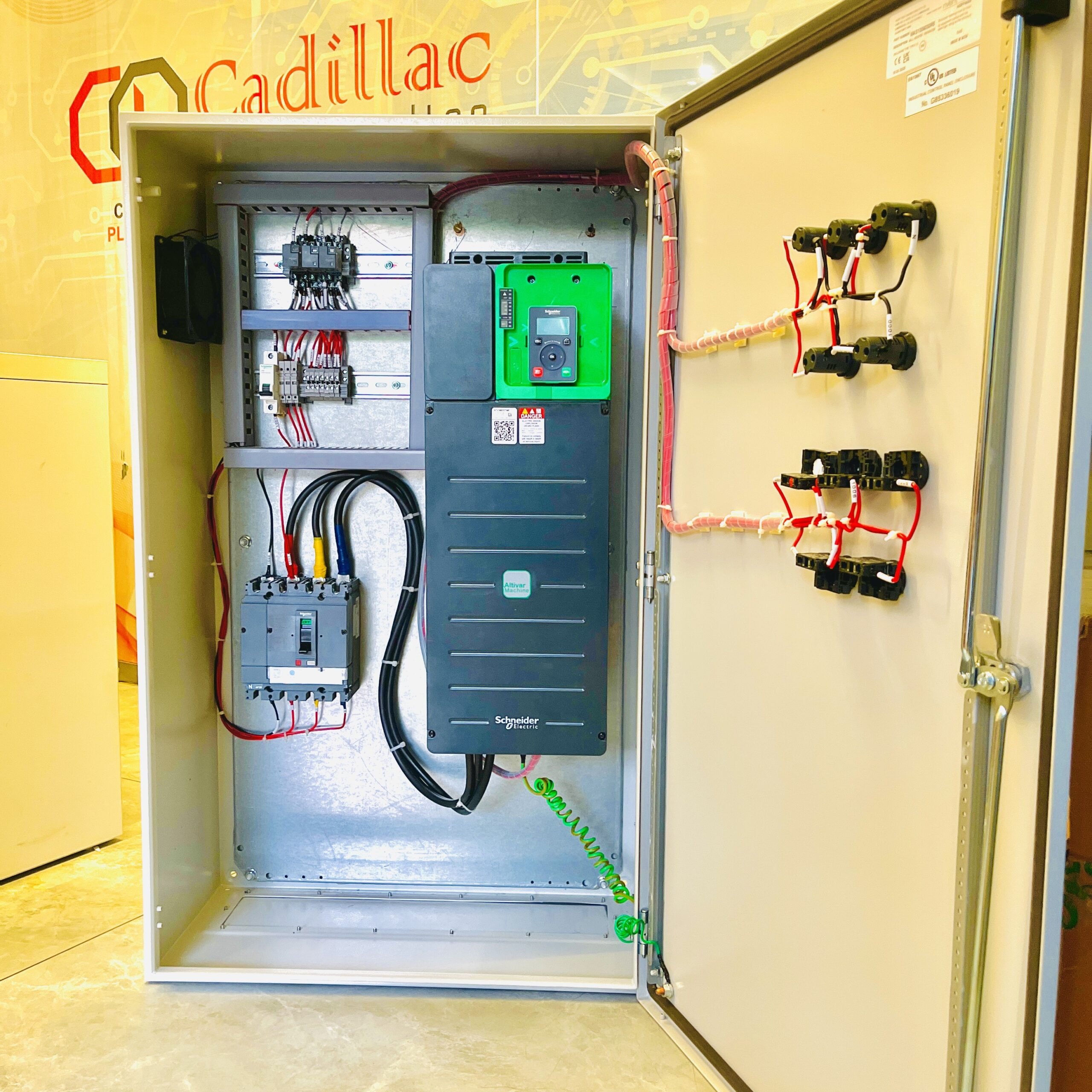
Modern ships depend on advanced automation systems such as APMS, PLC, SCADA, and ComAp engine controllers to ensure safe operations, efficient power management, and reliable engine performance. Together, these technologies help ship operators reduce downtime, improve fuel efficiency, and maintain better control over onboard systems through integrated automation. As demand for smarter and more efficient vessels continues to grow, companies like Cadillac Automation & Controls are helping shipowners implement reliable marine automation solutions for commercial and offshore applications, making them one of the trusted marine automation companies in India,GCC & South East Asia.
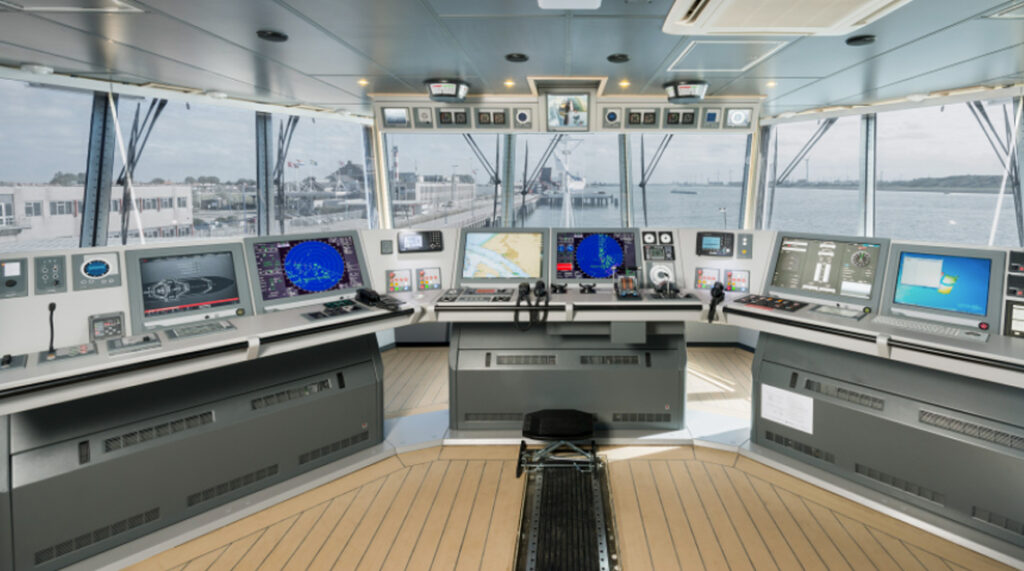
Understanding APMS in Marine Applications
An Automatic Power Management System (APMS) plays a critical role in controlling and monitoring onboard power generation and electrical distribution systems in marine vessels. It ensures efficient generator operation while maintaining a reliable and uninterrupted power supply to essential shipboard systems. Modern marine APMS solutions are designed to support advanced functions such as automatic load sharing, generator synchronisation, blackout prevention, and load-dependent generator start/stop operations, thereby enhancing operational efficiency, safety, and overall vessel reliability.
In marine applications, APMS plays a vital role in:
- Preventing power failures during critical operations
- Managing multiple generators simultaneously
- Optimising fuel consumption
- Reducing engine running hours
- Supporting emergency power operations
For cargo ships, offshore support vessels, ferries, and naval ships, APMS is essential for maintaining stable electrical operations under varying load conditions.
Role of PLC in Marine Automation
Programmable Logic Controllers (PLCs) are industrial computers used to automate onboard operations. PLC systems are widely used in engine rooms, ballast systems, fuel transfer systems, cargo handling, and HVAC controls.
Marine PLCs continuously receive data from sensors and execute control commands automatically. Their ability to operate reliably in harsh marine environments makes them ideal for shipboard automation.
Key advantages of PLC systems include:
- Fast response and real-time control
- Reduced human intervention
- High operational reliability
- Easy troubleshooting and maintenance
- Seamless integration with APMS and SCADA systems
Modern vessels use PLC-based automation to improve safety and operational efficiency while reducing manual errors.
Importance of SCADA in Ships
SCADA (Supervisory Control and Data Acquisition) systems provide operators with a centralized monitoring platform for all shipboard operations. SCADA allows engineers to monitor engines, generators, pumps, alarms, and electrical systems in real time through graphical interfaces.
SCADA systems collect data from PLCs, sensors, and controllers to help operators make informed decisions quickly. In marine applications, SCADA improves visibility, simplifies diagnostics, and enhances operational safety.
Major SCADA functions onboard include:
- Real-time monitoring of machinery
- Alarm and event management
- Historical data logging
- Remote diagnostics
- Performance analysis and reporting
Modern SCADA platforms also support remote vessel monitoring from shore-based control centers, enabling predictive maintenance and improved fleet management.
ComAp Engine Controllers in Marine Applications
ComAp is one of the leading providers of marine engine control and power management solutions. Its marine-certified controllers are widely used in commercial vessels, tugboats, passenger ferries, offshore platforms, and hybrid marine systems.
ComAp solutions offer advanced monitoring, protection, and control for propulsion engines, auxiliary engines, and emergency generators. Their systems support automatic synchronisation, load sharing, blackout prevention, and hybrid energy management.
Some important ComAp marine solutions include:
- InteliDrive DCU Marine
- InteliGen 1000 Marine
- InteliMains Marine controllers
- AC/DC Hybrid APMS solutions
These systems provide benefits such as:
- Automatic generator control
- Advanced engine protection
- Remote monitoring and diagnostics
- Integration with Modbus and CAN communication
- Support for hybrid and battery-powered vessels
ComAp controllers are also compliant with major marine certifications, ensuring safe and reliable operations in demanding maritime environments.
Integration of APMS, PLC, SCADA & ComAp Systems
The real strength of marine automation lies in integrating APMS, PLC, SCADA, and engine control systems into one intelligent platform. When connected together, these technologies provide ship operators with complete control over onboard power and machinery systems.
For example:
- PLCs automate machinery operations
- APMS manages generator performance and load sharing
- SCADA provides visual monitoring and alarm management
- ComAp controllers optimise engine and power system operations
This integration helps improve fuel efficiency, reduce emissions, enhance crew safety, and minimise operational downtime.
Today, many marine automation companies across India are focusing on integrated vessel automation solutions to support the growing maritime sector. Companies like Cadillac Automation & Controls provide advanced marine automation services, helping shipowners modernize their vessels with reliable APMS, PLC, SCADA, and engine management systems.
How Cadillac Automation & Controls integrates these systems in real projects?
Cadillac Automation & Controls (Kerala) offers system design, PLC/HMI/SCADA development, control-panel fabrication, drives and turnkey integration for marine customers, and has implemented practical integrations linking PLCs and SCADA with ComAp controllers and vessel APMS in live projects. In Cadillac projects, ComAp units are commissioned for generator control and mapped into the APMS using Modbus or CAN interfaces; PLCs implement boilerplate safety interlocks (breaker trips, emergency stops, valve sequences) and local pump control while SCADA provides synchronized dashboards showing bus voltage, breaker status, load sharing and run‑hour equalization.
Practical workflow used by Cadillac on board
- Design & engineering: Prepare the control architecture, I/O lists, and panel layouts to incorporate ComAp genset controllers, PLC racks, and the required network topology.
- Software development: Implement PLC logic for safety and machine control, configure ComAp APMS features, and build SCADA screens and historian tags for alarms and KPIs.
- Factory and site testing: Perform FAT, SAT and sea trials to validate synchronization, blackout recovery and alarm propagation to bridge HMI; coordinate with class surveyors for approvals.
Handover & AMC: Provide documentation, version-controlled code backups, operator training, and annual maintenance contracts to ensure continued performance.
Best practices for ship operators
- Use class-approved APMS/PLC/SCADA configurations and redundant communications to meet SOLAS/IMO requirements.
- Keep ComAp firmware, PLC code and SCADA applications version-controlled and tested; rehearse APMS failover and blackout recovery during drills.
- Monitor KPIs (generator run‑hours, load factor, fuel consumption) through SCADA to optimize operations and scheduling of maintenance.
- Partnering with established regional integrators, such as Cadillac Automation & Controls and other leading marine automation companies in India, accelerates commissioning timelines, secures immediate access to local spare parts, and ensures rapid on-site technical support.
Choosing a systems integrator
When selecting a marine automation partner, it is important to choose a company with proven experience in ComAp integrations and successful APMS, PLC, and SCADA implementations for marine applications. An experienced integrator ensures smooth commissioning, reliable system performance, and compliance with marine industry standards.
Key factors to consider when choosing an automation partner:
- Proven expertise in ComAp engine and power management integrations
- Successful APMS, PLC, and SCADA deployment experience
- Strong on-site commissioning and technical support capabilities
- Experience working with class-approved marine automation practices
- Availability of FAT (Factory Acceptance Test) procedures
- References from similar vessel projects
- Clear AMC (Annual Maintenance Contract) and spare parts support plans
When APMS, PLC, SCADA, and ComAp controller systems are properly designed and integrated, ship operators benefit from improved safety, better operational efficiency, reduced downtime, and easier system maintenance. Leading marine automation companies in India, including Cadillac Automation & Controls, provide reliable integration, local technical support, and long-term service solutions for modern marine vessels.
In conclusion, the integration of APMS, PLC, SCADA, and ComAp engine controllers plays a vital role in improving vessel safety, operational efficiency, power management, and system reliability in modern marine applications. As the maritime industry continues to adopt advanced digital and hybrid technologies, investing in well-engineered automation solutions has become essential for efficient and future-ready ship operations. Partnering with Cadillac Automation & Controls ensures reliable system integration, faster commissioning, dependable local technical support, and long-term operational optimization.